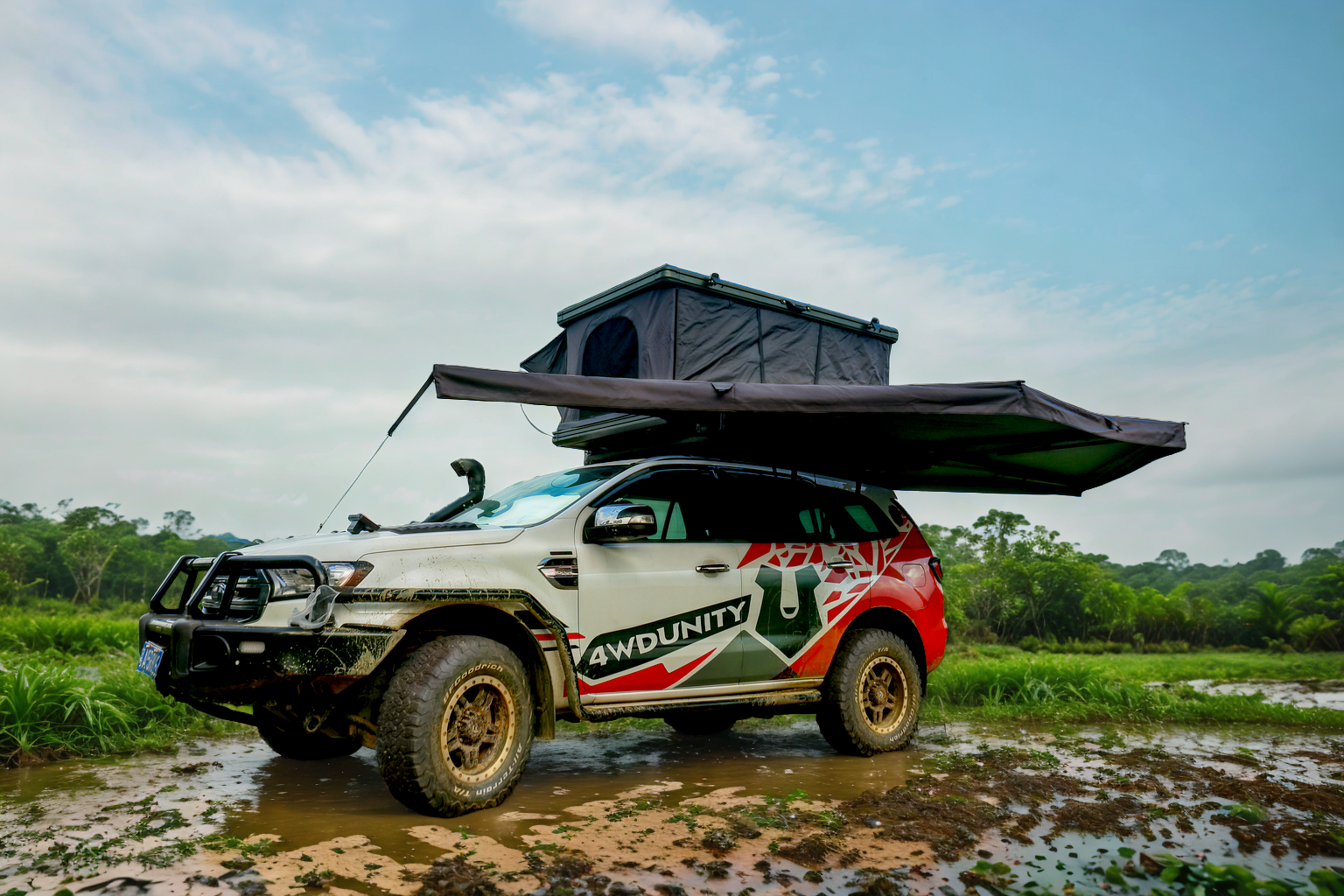
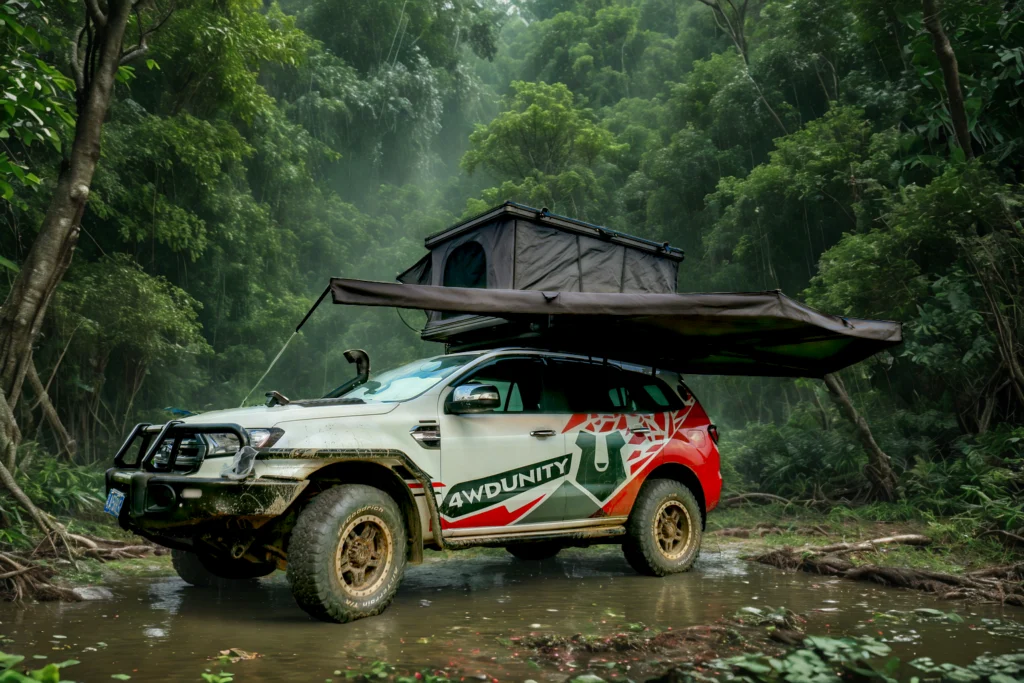
Car Roof Top Tent
Choosing the Right Tent: A Practical Guide for Outdoor Adventures
Picking the right tent ensures comfort, safety, and convenience outdoors. Businesses, campers, and 4×4 travelers need durable, weather-ready shelters tailored to their needs. This guide explains tent types, key features, and how to match them to environments—helping you make smart gear choices.
Understanding Tent Types: Definitions and Best Uses
Different tents excel in specific scenarios:
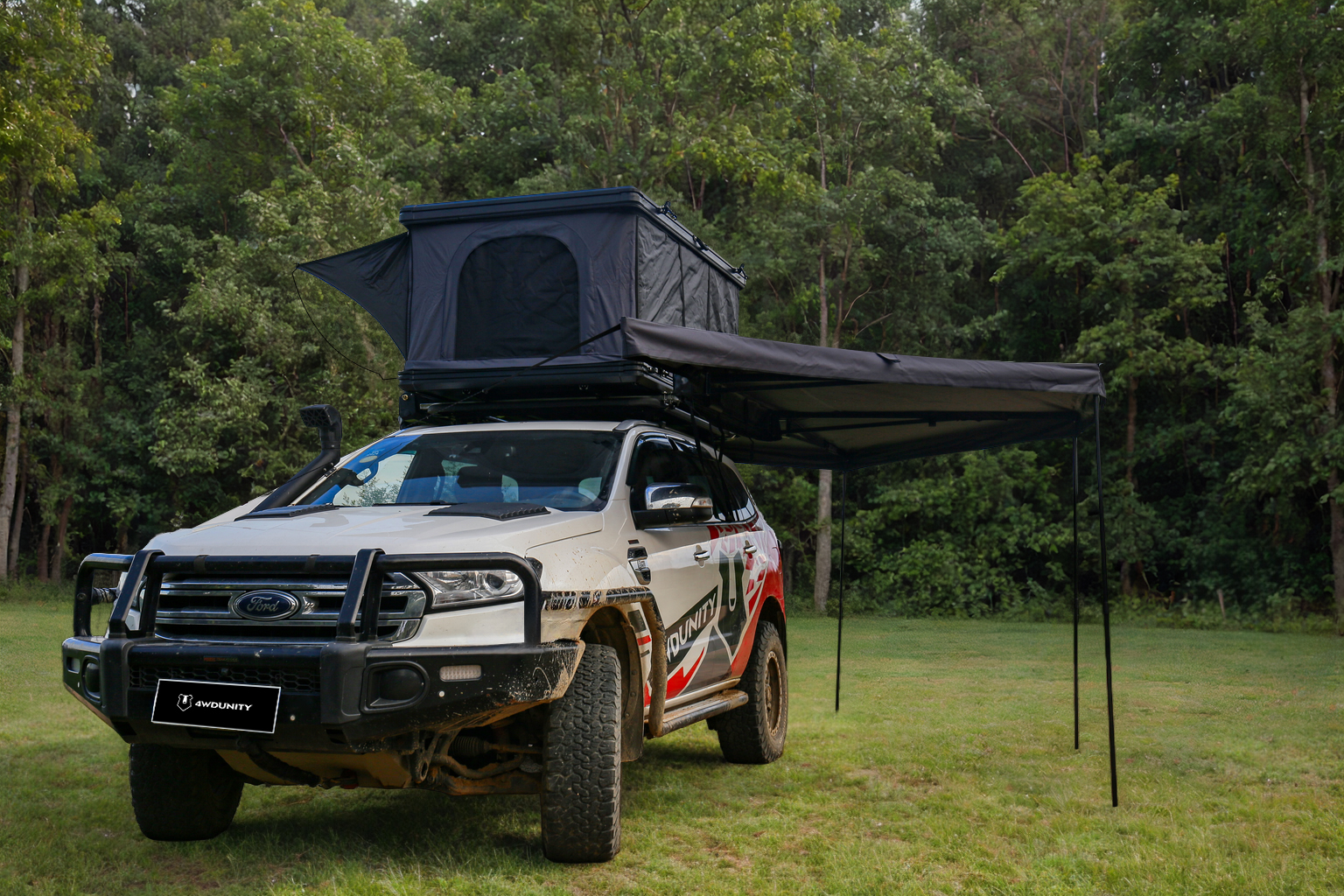
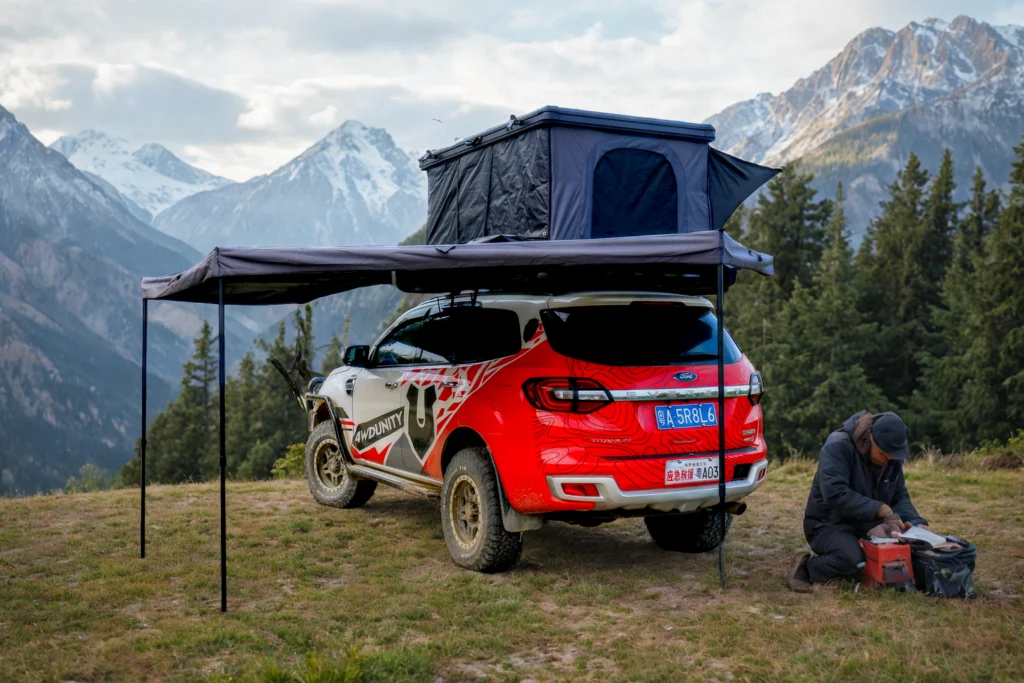
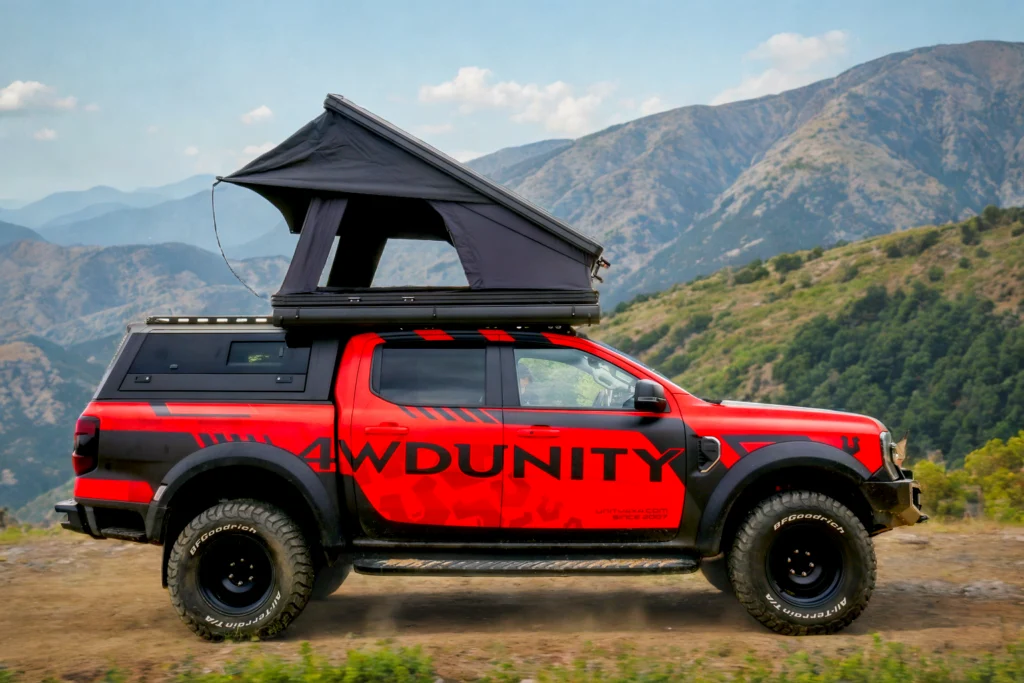
- Roof top tents (RTTs): Mounted on vehicles for quick setup. Hard shells are sturdy and aerodynamic; soft shells are lighter.
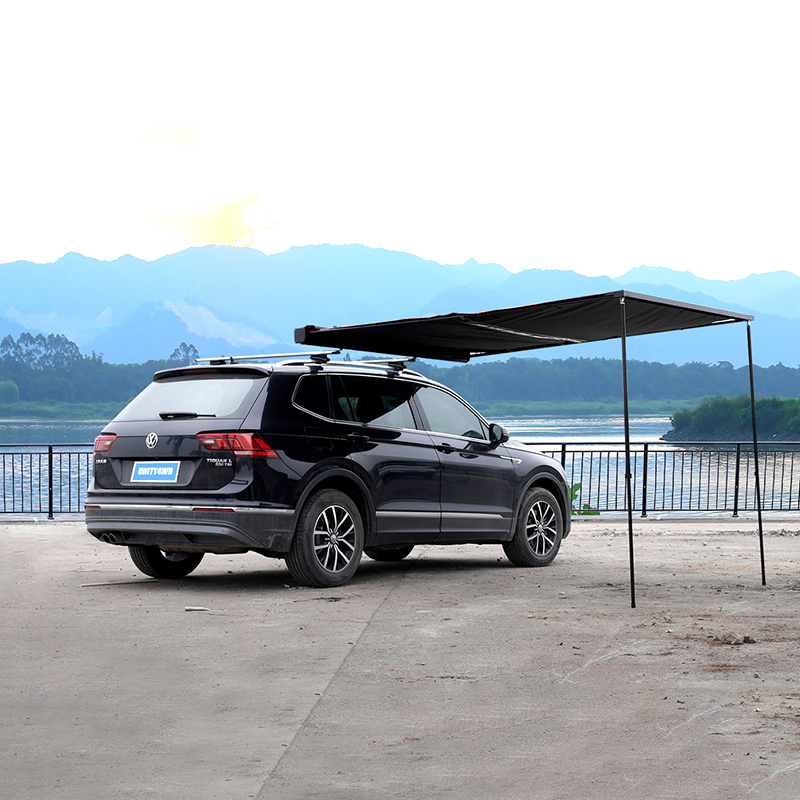
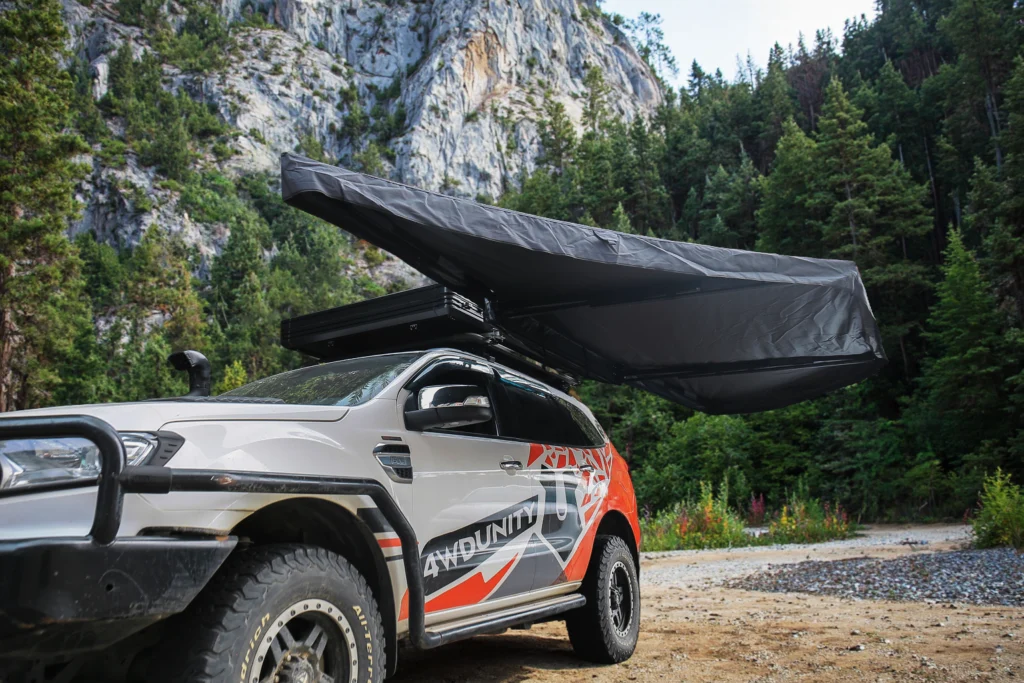
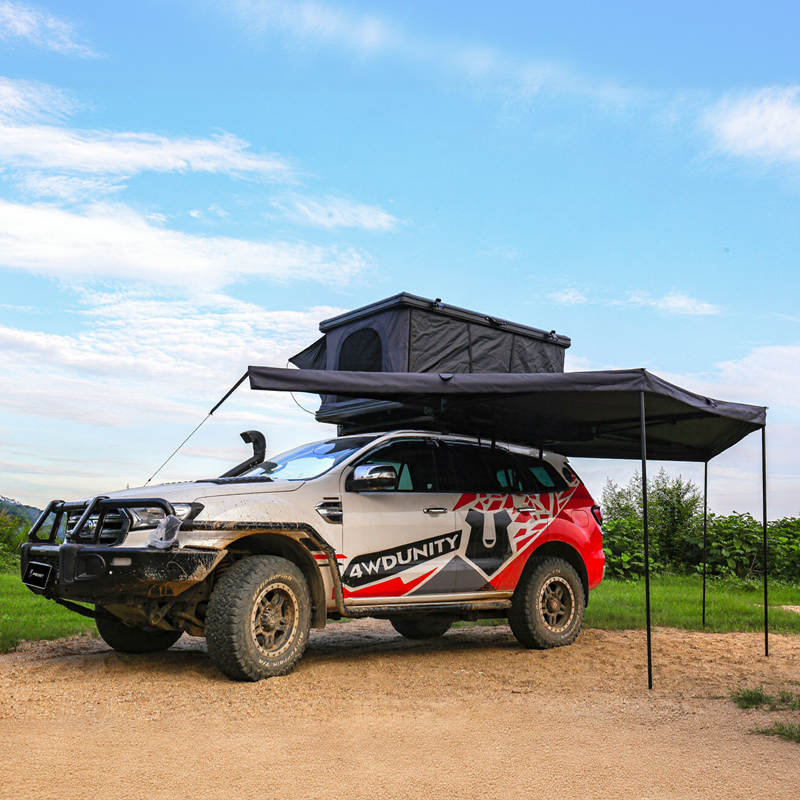
- Awning tents: Attach to SUVs or trucks, creating shaded outdoor spaces.
- Shower tents: Compact, waterproof enclosures for hygiene needs.
- Canvas tents: Heavy-duty and breathable, ideal for long trips.
- Family tents: Spacious designs with dividers for group camping.
- SUV tents: Connect to vehicle hatches, adding extra living space.
Key Features to Evaluate
Focus on these factors when buying:
- Season ratings: 3-season for rain and wind; 4-season for snow.
- Weight: Under 5 lbs for backpacking; heavier for car camping.
- Setup: RTTs deploy faster than pole tents.
- Ventilation: Mesh panels reduce condensation.
- Floor durability: Higher denier (e.g., 150D) resists wear.
- Weatherproofing: Taped seams and 2,000mm+ rain ratings keep you dry.
Matching Tents to Environments
Select gear based on terrain:
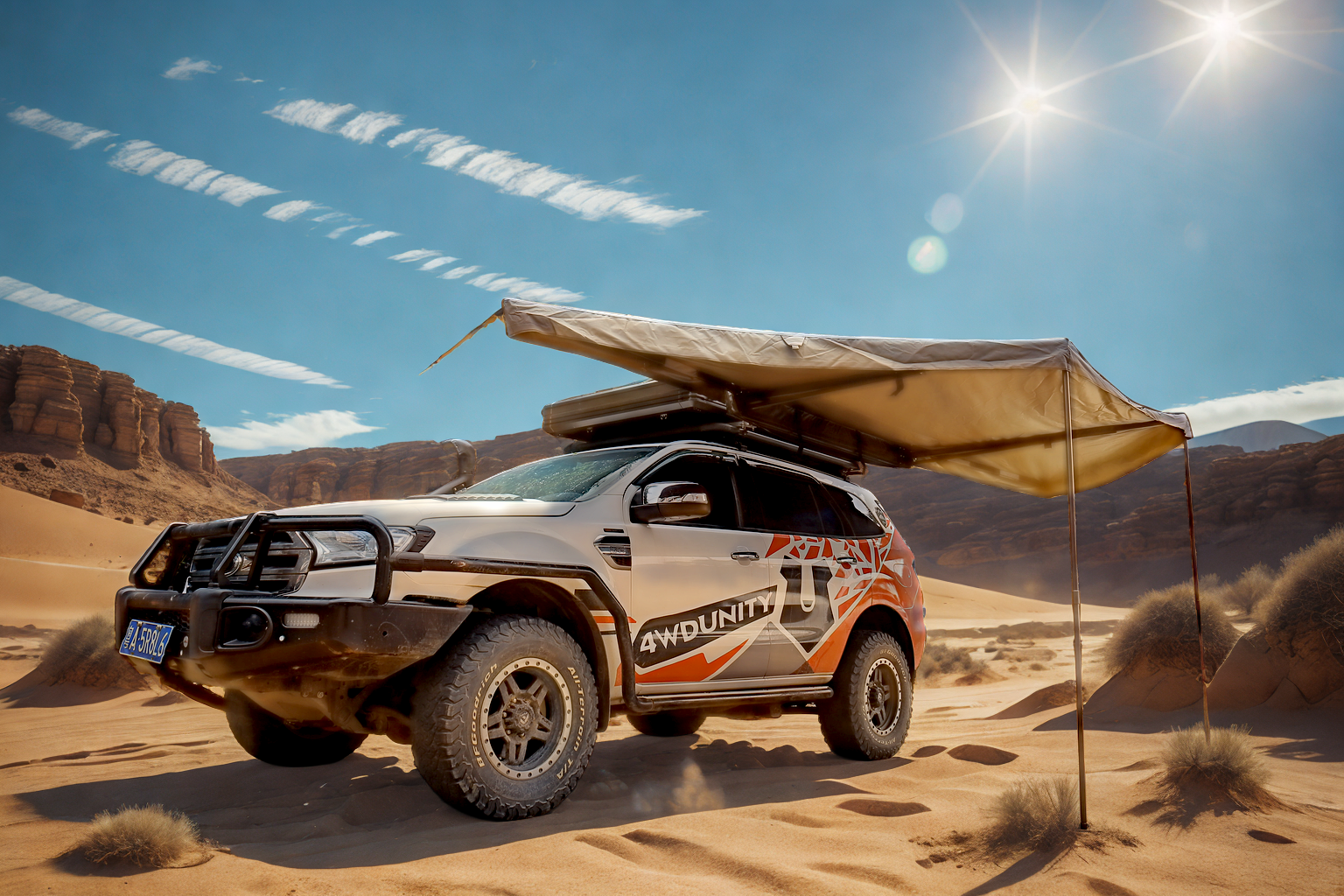
- Deserts: UV-resistant fabric and sand-proof zippers.
- Mountains: Dome-shaped, 4-season tents with strong guylines.
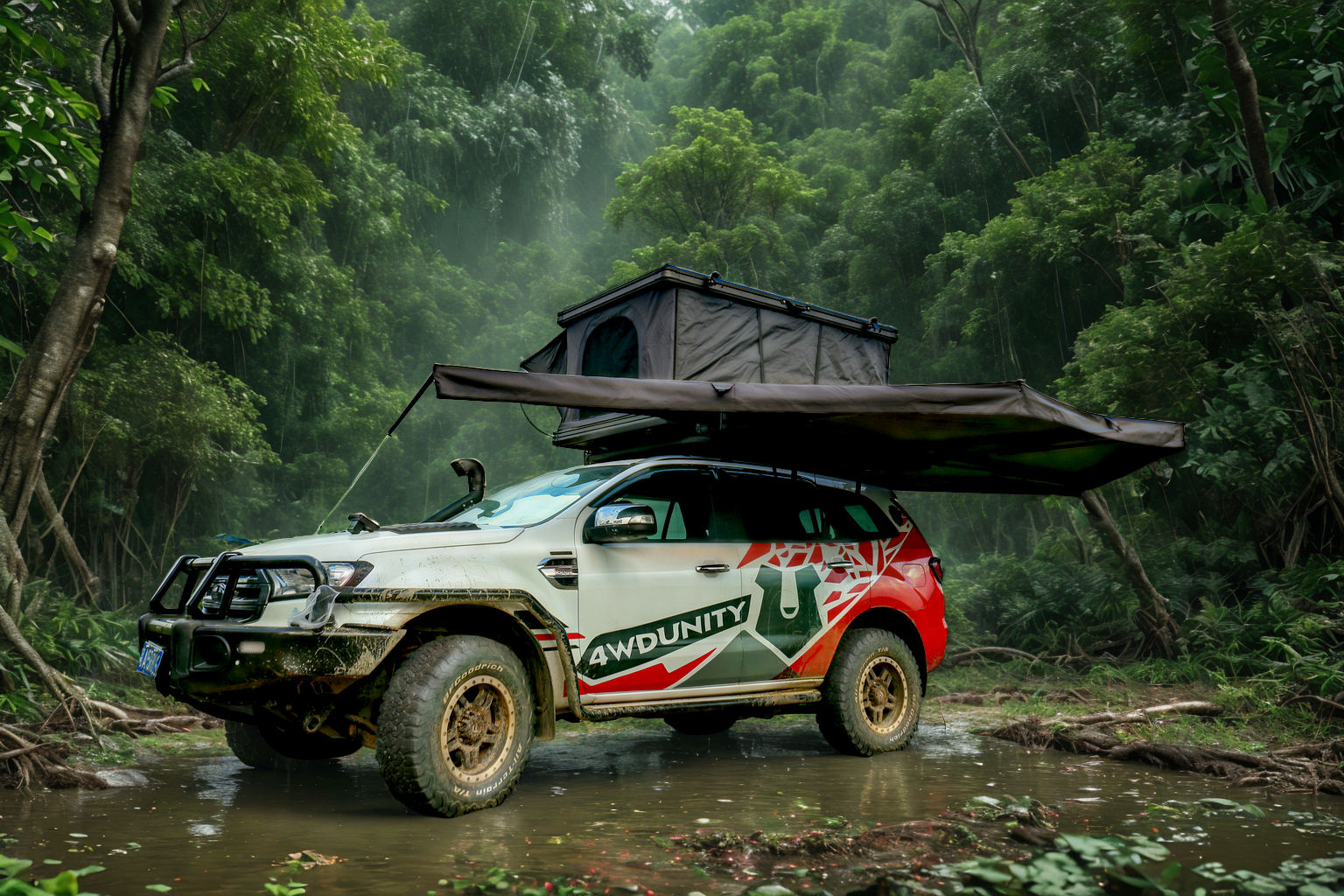
- Forests: Waterproof rainflies and insect screens.
- Beaches: Ventilated designs with sand anchors.
- Overlanding: Hard shell RTTs handle rough roads.
Material Breakdown: Pros and Cons
Compare fabrics for your needs:
- Polyester: Affordable, UV-resistant, but less breathable.
- Nylon: Lightweight but stretches when wet.
- Canvas: Great insulation but heavy and slow-drying.
- Poly-cotton blends: Balanced for breathability and water resistance.
- Mesh: Promotes airflow but needs rainfly coverage.
Capacity and Space Optimization
Avoid cramped quarters:
- Allow 20–30 sq ft per person for gear.
- Choose ≥5 ft peak height for standing room.
- Use vestibules for muddy gear storage.
- Modular designs offer privacy for groups.
- Vertical walls maximize usable space.
Specialized Accessories Worth Considering
Boost functionality with:
- Annex rooms: Expand RTTs or awnings.
- Insulated liners: For winter camping.
- Gear lofts: Keep essentials off the floor.
- Footprint tarps: Protect tent floors.
- LED lighting: Improves nighttime visibility.
Budgeting and Long-Term Value
Plan costs wisely:
- $200–$500 tents suit casual campers; $1,500+ RTTs offer durability.
- Look for lifetime warranties on poles and 5+ years on fabrics.
- Check repair kit availability for high-use gear.
- Hard shell RTTs retain 60–70% resale value.
- Businesses should prioritize easy-to-clean, tough tents.
How to Choose the Right Tent for Camping or Overlanding
Understanding Tent Types
Different tents serve different purposes:
- Roof top tents (RTTs)
- Hard shell: Sturdy, aerodynamic, quick setup (under 1 minute). Best for 4×4 trips.
- Soft shell: Lighter, folds compactly but takes 5–10 minutes to deploy.
- Awning tents
- Attaches to SUVs/trucks. Provides shade for cooking or lounging.
- Shower tents
- Portable, water-resistant enclosures (polyester/nylon). Needed for hygiene.
- Canvas tents
- Heavy (20–40 lbs) but breathable. Ideal for long stays in hot/cold weather.
- Family tents
- Multi-room layouts (≥100 sq ft). High ceilings (5–7 ft) for comfort.
Key Features to Compare
- Season rating
- 3-season: Good for spring to fall.
- 4-season: Handles snow and strong winds.
- Setup time
- RTTs: Fastest (1–10 minutes).
- Pole tents: 10–30 minutes (avoid complex frames for solo trips).
- Waterproofing
- Look for taped seams + ≥2,000mm hydrostatic head rating.
- Weight
- Backpacking: Under 5 lbs.
- Car camping: Can be heavier (focus on space).
Best Tent for Your Environment
- Deserts: UV-resistant fabric (polycotton) + sand-proof zippers.
- Mountains: Dome-shaped 4-season tents + reinforced guylines.
- Forests: Full rainfly + fine mesh for bugs.
- Beaches: Ventilated designs + sand anchors.
- Overlanding: Hard shell RTTs (durable for rough roads).
Material Comparison
| Material | Pros | Cons |
|---|---|---|
| Polyester | Cheap, UV-resistant | Less breathable |
| Nylon | Lightweight, packs small | Stretches when wet |
| Canvas | Great insulation, durable | Heavy, slow-drying |
| Poly-cotton | Balanced performance | More expensive |
Space and Capacity Tips
- Allow 20–30 sq ft per person (includes gear).
- Peak height ≥5 ft prevents crouching.
- Vertical walls create more usable space than sloped ones.
- Vestibules store gear outside sleeping area.
Useful Accessories
- Annex rooms: Adds sleeping/living space to RTTs or awnings.
- Footprints: Protects tent floor from rocks/moisture.
- Insulated liners: Extends camping into winter.
- Gear lofts: Keeps small items off the floor.
Budget Considerations
- $200–500: Good for casual campers (3-season tents).
- $1,500+: Justified for frequent use (hard shell RTTs).
- Check warranty coverage (5+ years optimal).
- Hard shell RTTs retain 60–70% resale value if maintained.
This guide helps match tents to your camping style, climate, and budget. Prioritize durability for business use and comfort for personal trips.