As a rooftop tent manufacturer, TOURKA builds OEM/ODM camping equipment for brands, importers and dealers. Turn your next rooftop tent, awning or shower room into a range your customers can call their own.
Camping systems that work together
Product, materials & packaging
From specification to shipment
For brands, importers & dealers
Whether you are expanding an established collection or developing something new, the first step in an OEM/ODM project is choosing the right scope for your product.
Start with an existing product platform, or bring a production-ready design. Define the branding, materials, accessories and packaging that make it right for your range. As a rooftop tent manufacturer, TOURKA can start from a platform your team already knows – this is the fastest OEM/ODM route.
Best for
Brands and distributors with a clear specification or a selected base model.
You bring
Model or drawings, quantity, target market and brand artwork.
We define together
Feasible modifications, final specification, sample and production requirements.
Start with your market brief, a product concept or a feature gap. Work through feasibility, design development and sampling before moving into an approved production specification. As a rooftop tent manufacturer we also develop new platforms from your brief. This is the OEM/ODM route with the most design freedom.
Best for
Brands looking for a new configuration, function or product direction.
You bring
Use cases, references, target price, priorities and launch goals.
We define together
Development scope, technical constraints, sample iterations and validation plan.
As a rooftop tent manufacturer we create a consistent OEM/ODM range, from the way it performs to the way it arrives. Every selected option becomes part of the specification approved for your order.
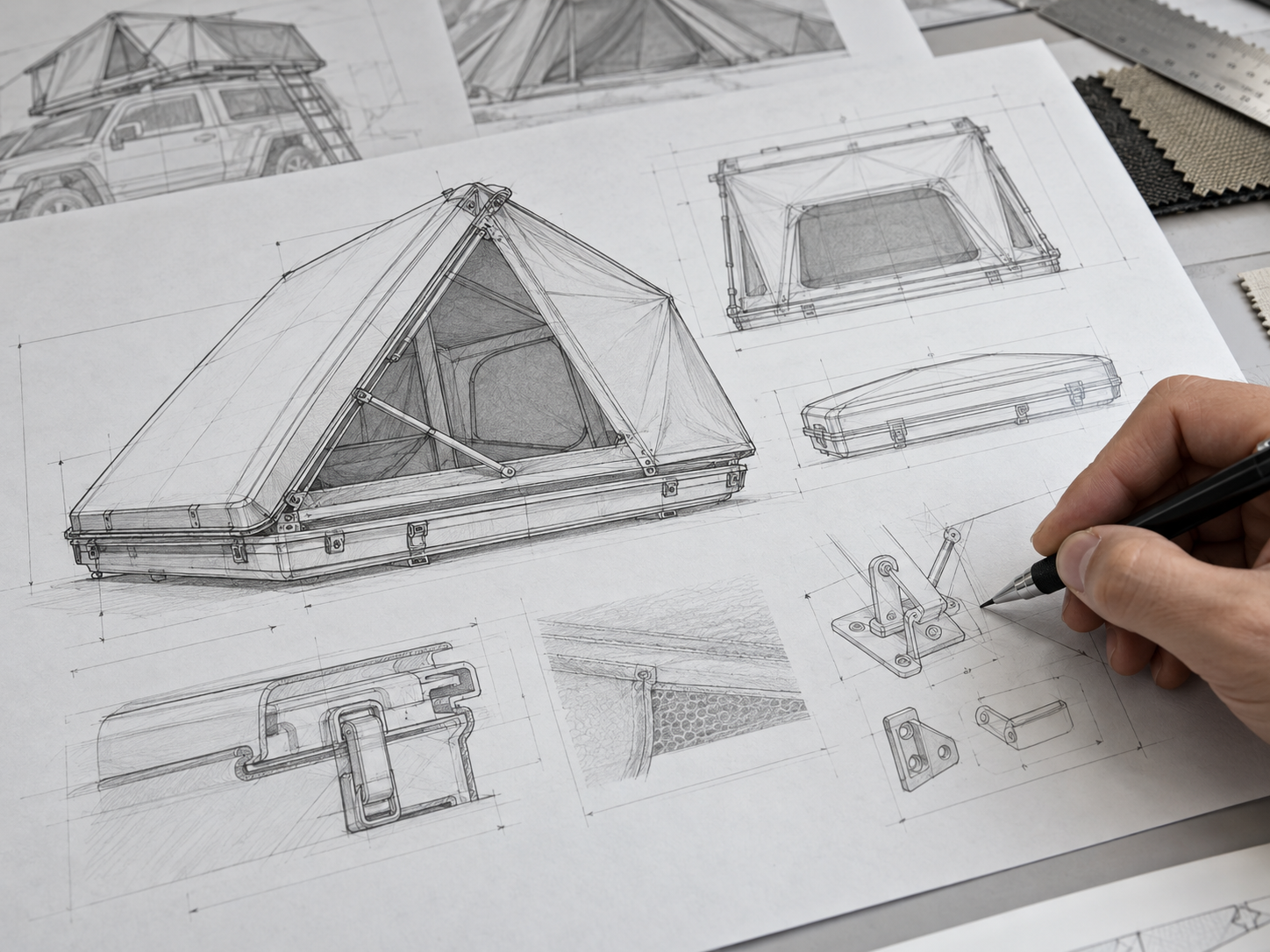
Define dimensions, layout and function for your product and installation requirements.
+ Open / closed dimensions
+ Frame, shell & mounting interface
+ Openings, storage & accessories
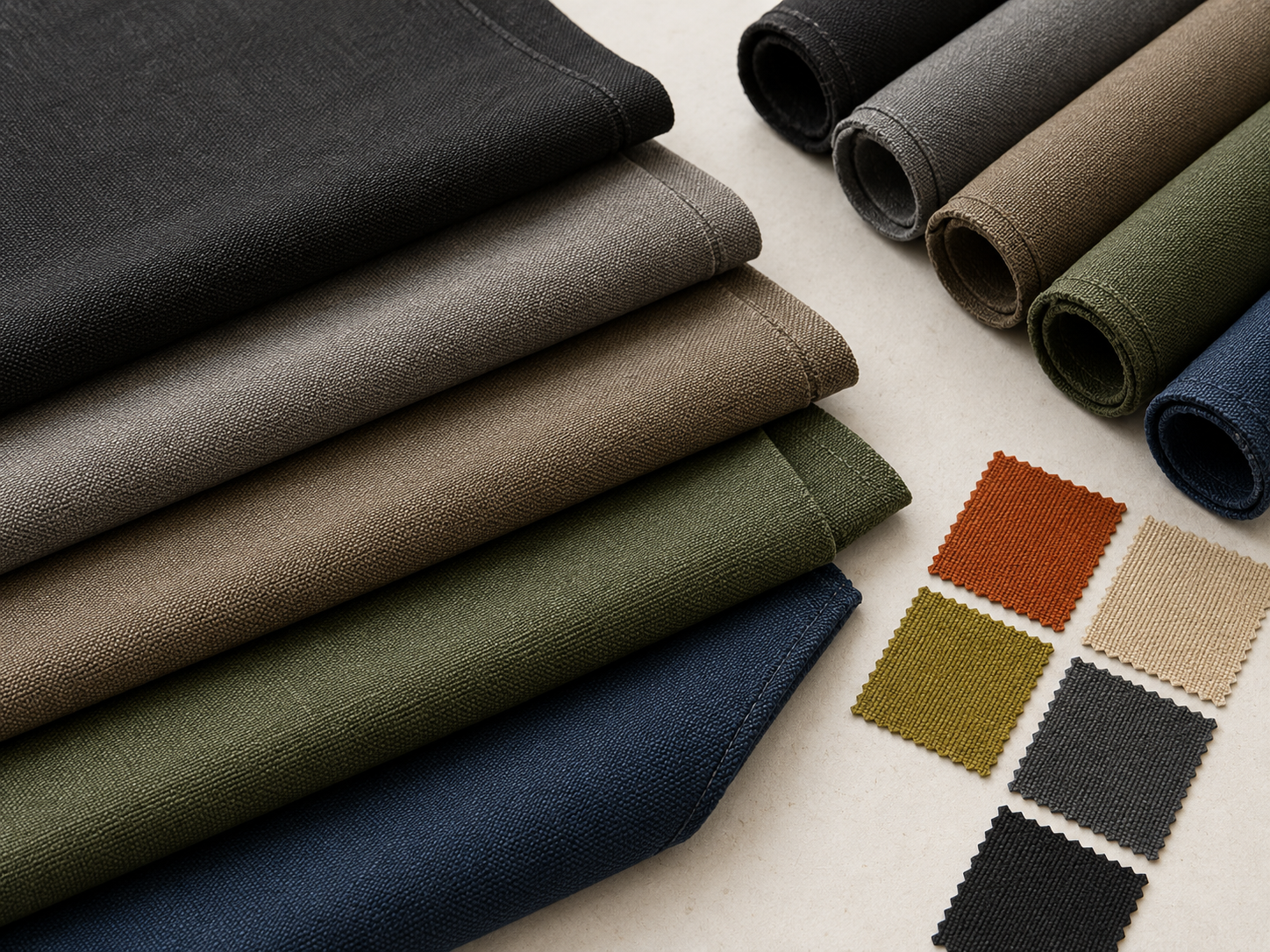
Set the fabric system, finish and color direction against the intended conditions.
+ Fabric, coating & mesh choices
+ Physical swatches for approval
+ Hardware & surface finish
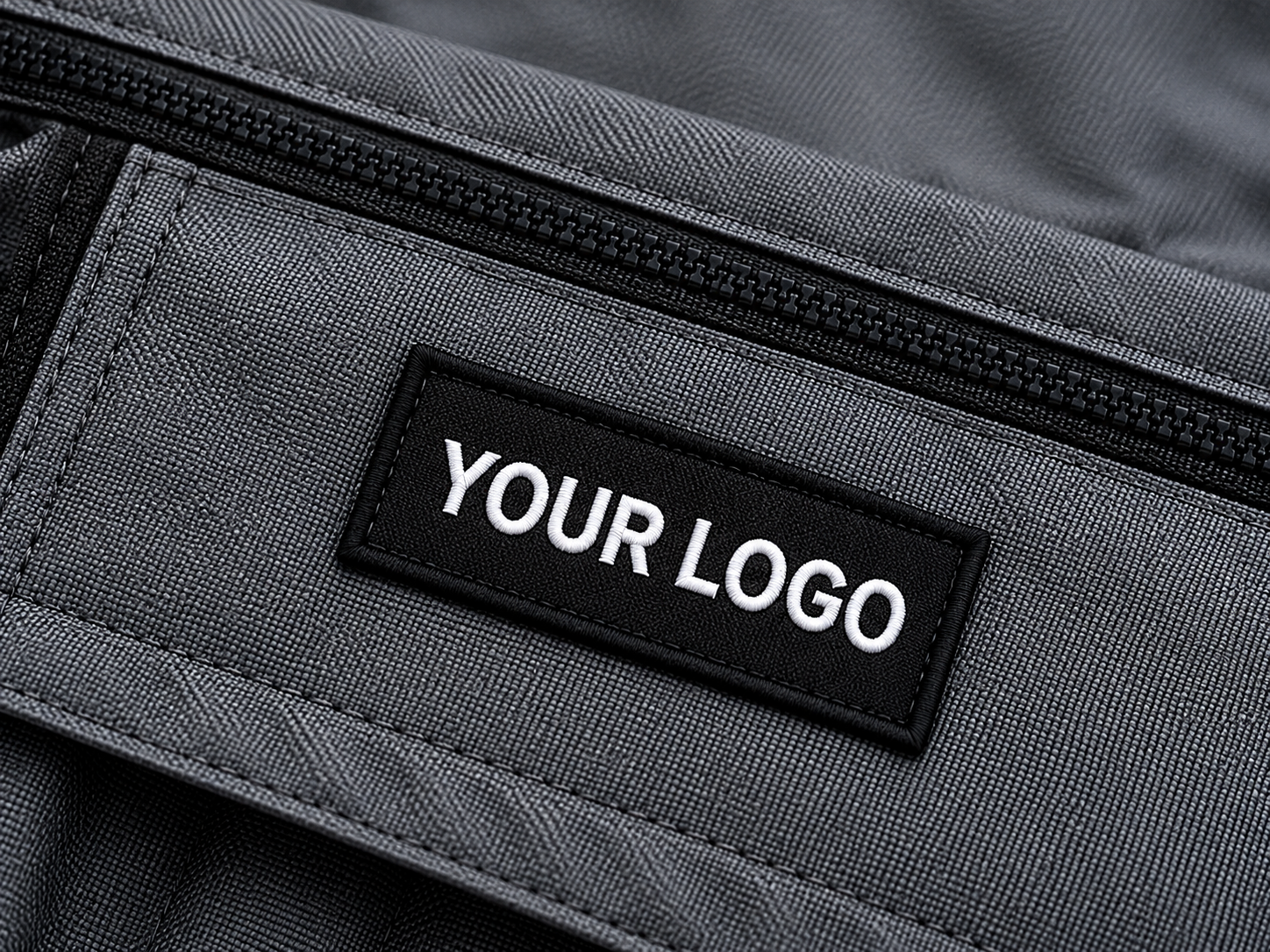
Agree the branding method and placement that suit the chosen materials.
+ Print, labels or branded patches
+ Logo size, position & color
+ Product labels & instructions

Plan the presentation and packaging of every product in your range, including protection and information your distribution route needs.
+ Carton artwork & SKU labels
+ Manuals, inserts & accessory kits
+ Protection & packing layout
Customization visuals for OEM/ODM projects are illustrative. Availability, compatibility, tooling and minimum quantities are confirmed during the project review.
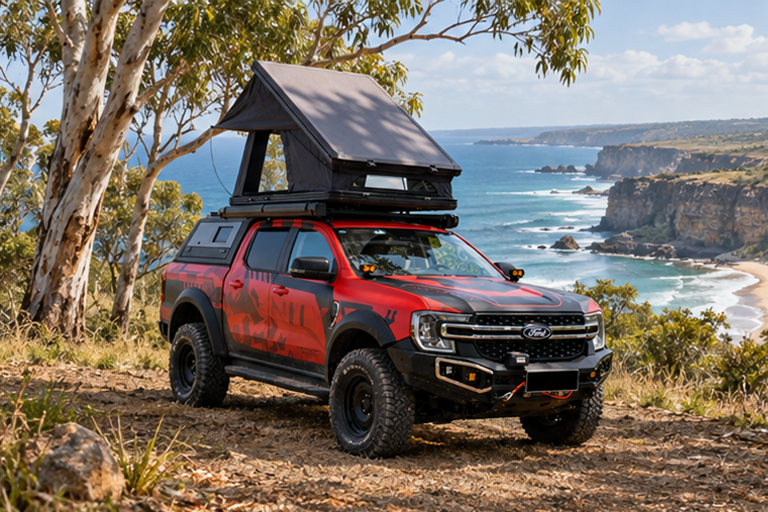
Shell or frame, sleeping space, ventilation, mattress and mounting details.
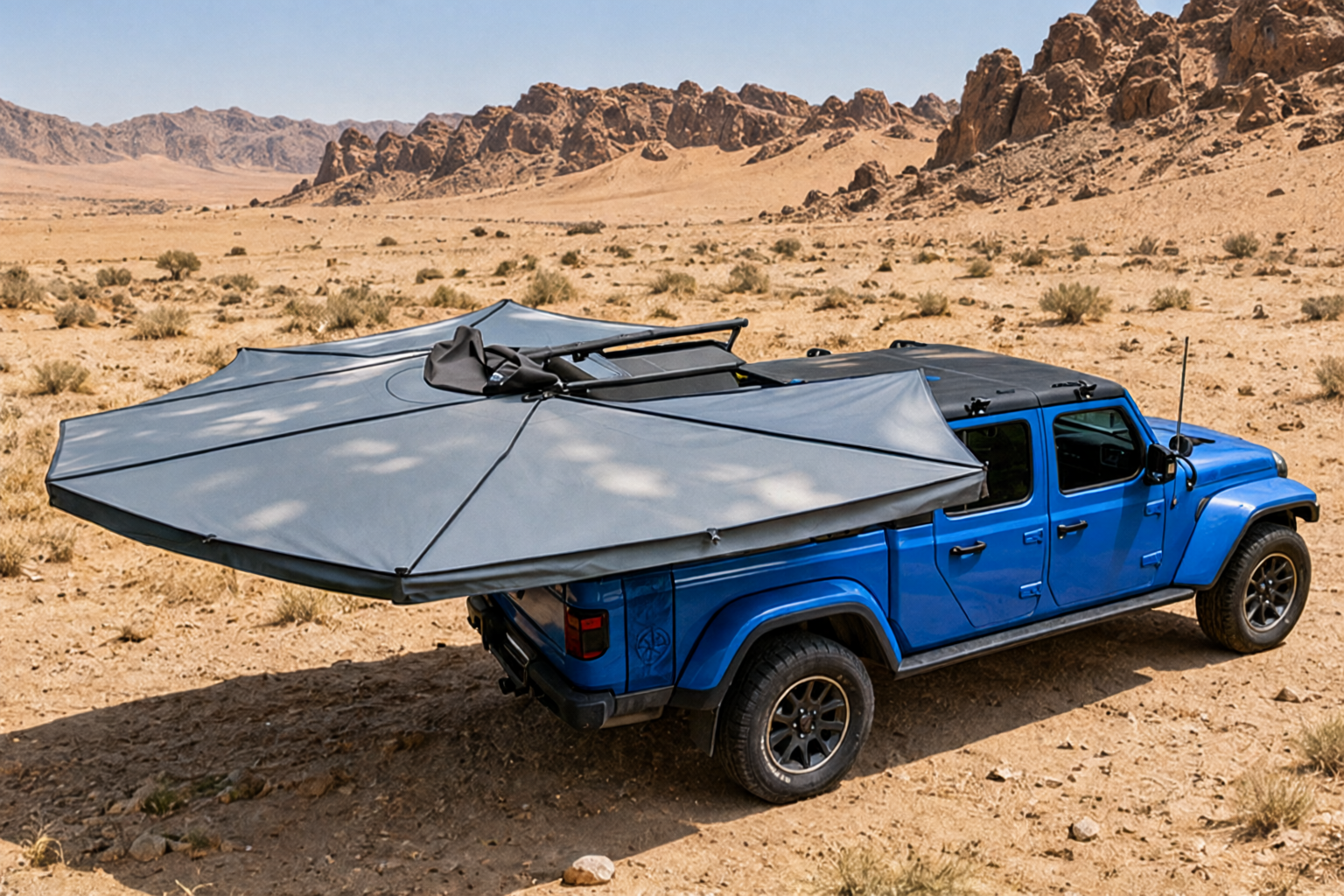
Coverage, arms, fabric, poles, side walls and mounting brackets.

Privacy panels, enclosure size, deployment, drainage and storage.
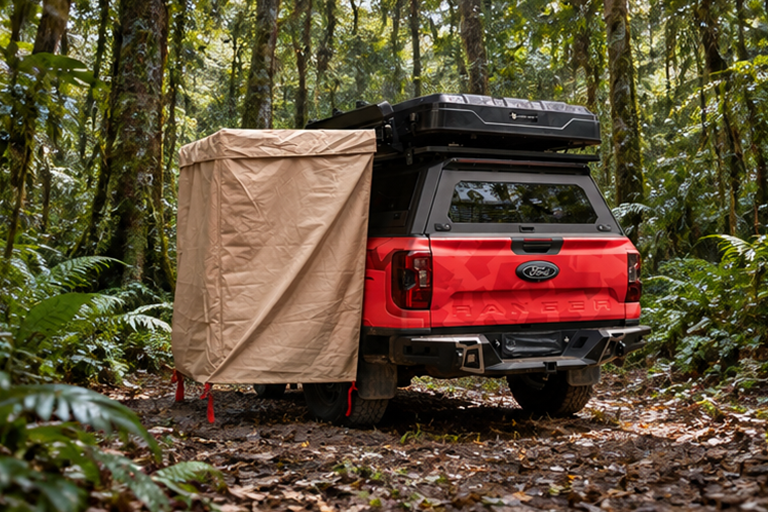
Storage, compatible add-ons, bundled kits and branded packaging.
A rooftop tent manufacturer order starts with a shared specification. Use these eight stages to align decisions, document changes and keep your project moving.
01—03 DEFINE → 04—05 VALIDATE → 06—08 DELIVER
Start with the product, the customer and the conditions it needs to handle.
YOU PROVIDE Category, market, use case, estimated quantity, target price and preferred launch date.
PROJECT OUTPUT A requirement checklist, reference files and a list of open questions.
CONFIRM Project scope, priorities and the person responsible for approvals.
Turn your ideas into a practical product and development route.
YOU PROVIDE Drawings or references, must-have features, vehicle and mounting information where relevant.
PROJECT OUTPUT Proposed platform or concept, technical constraints, tooling needs and alternatives.
CONFIRM What is included in the first version and what requires extra development.
Make the product requirements and commercial scope explicit.
YOU PROVIDE Material preferences, dimensions, brand files, accessories and packaging requirements.
PROJECT OUTPUT Draft specification, quotation, proposed MOQ, sample/tooling costs and indicative schedule.
CONFIRM Scope, price basis, payment terms, delivery terms and sample plan.
Check the details on a physical sample before committing to production.
YOU PROVIDE Approved draft specification, artwork and consolidated sample feedback.
PROJECT OUTPUT Prototype or pre-production sample, sample notes and a controlled revision list.
CONFIRM Fit, function, appearance and which revisions need another sample.
Lock the reference that production and inspection will follow.
YOU PROVIDE Final feedback, target-market test requirements and written sample approval.
PROJECT OUTPUT Approved reference sample, final drawings, bill of materials and agreed test records.
CONFIRM Final specification, artwork and measurable acceptance criteria.
Translate the approved product into the order and production plan.
YOU PROVIDE Purchase order, quantities by SKU, final packaging information and agreed payment.
PROJECT OUTPUT Material confirmations, production plan and inspection checkpoints.
CONFIRM Production release and the process for approving any material or design change.
Check workmanship and function against the approved reference.
YOU PROVIDE Agreed inspection arrangements and written decisions on any proposed changes.
PROJECT OUTPUT In-process checks, final inspection records and corrective actions where needed.
CONFIRM Inspection acceptance and closure of nonconformities before release.
Prepare the order for its journey and plan what happens after delivery.
YOU PROVIDE Consignee details, shipping instructions, document requirements and service contact.
PROJECT OUTPUT Packing list, agreed shipment documents, dispatch details and support procedure.
CONFIRM Quantity, carton markings, shipment release and agreed after-sales terms.
The sequence, sample rounds and lead time for an OEM/ODM order depend on product complexity, material availability and approval timing. Your quotation and agreed project plan define the schedule.
As a rooftop tent manufacturer we treat every build as a chain of defined checks. From a fabric panel to a finished assembly, each stage needs a defined method and a clear check. This is how we structure the manufacturing review for your approved specification.
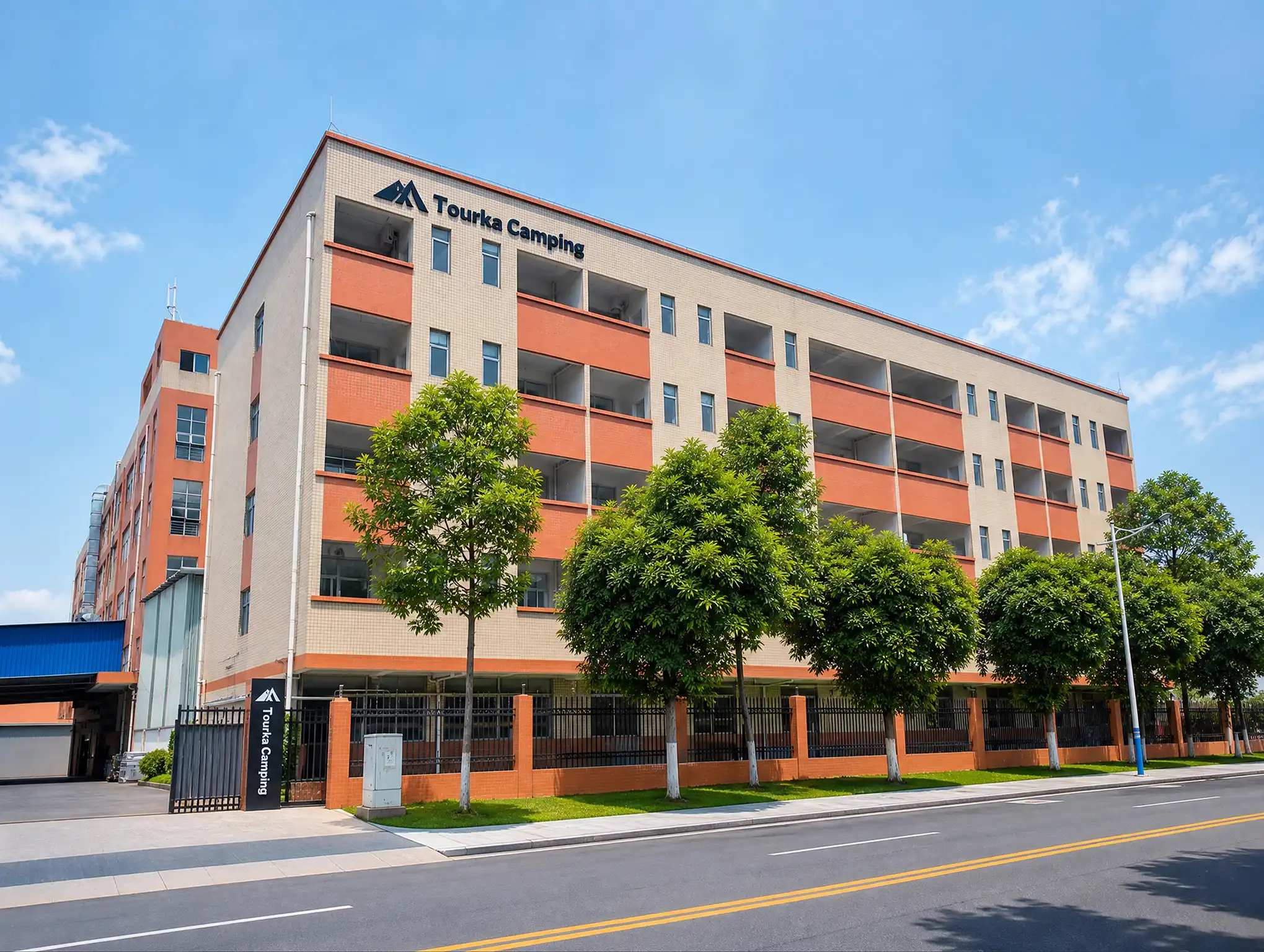
Define fabric composition, coating, weight, color and mesh requirements. For structural parts, define material, dimensions and surface finish. Compare incoming materials and components with approved samples and purchasing specifications.
Check: material identity, visible defects, dimensions and color consistency.
Translate the approved dimensions into cutting patterns. Specify seam allowances, fabric direction, panel matching and reinforcement positions. Check first-cut pieces before releasing the cutting batch.
Check: panel dimensions, orientation, matching parts and revision number.
Define stitch type, stitch density, thread and reinforcement at loaded areas. Fit zippers, mesh and attachment points to the approved pattern. Confirm whether seam taping suits the selected fabric and coating.
Check: stitch consistency, seam allowance, reinforcement, zipper operation and sealing coverage.
Specify cutting, forming, machining, joining and surface finishing where required by the design. Confirm component tolerances, edge treatment and hole positions before assembly.
Check: fit dimensions, surface condition, joining quality and mounting geometry.
Combine soft goods, frame or shell, hinges, fasteners and accessories in the approved sequence. Check opening, closing, deployment, alignment and the specified mounting interface.
Check: hardware completeness, secure assembly, operating clearance and fit.
Apply approved artwork and product labels. Review visible surfaces, reconcile all accessories with the packing list, and follow the agreed protection and carton layout.
Check: logo accuracy, label revision, accessory count, protection and carton identification.
Processes vary between tents, awnings, shower rooms and accessories. The final route, in-house or sourced operations, tolerances and inspection criteria are confirmed during technical review.
For every rooftop tent manufacturer order, a quality claim needs a clear basis. Agree the inspection plan, test method and acceptance criteria before production, then use those records to make release decisions.
Review selected fabrics, hardware and components against approved samples and specifications. Identify and resolve material discrepancies before use.
Record: material check and batch identification, as agreed.
Check key dimensions, stitching, reinforcement and assembly at defined stages. Record deviations and approve corrective action before work progresses.
Record: process checks and corrective-action log.
Inspect appearance, function, quantities, labels and packing against the final specification and approved reference sample.
Record: final inspection and release decision.
| Review area | What to agree | What to record |
|---|---|---|
| Weather protection | Relevant fabric and seam checks; water-test method, setup and acceptance criteria. | Sample identity, conditions, observations and results. |
| Fit & operation | Mounting interface, operating clearances, opening / closing checks and any cycle test. | Dimensions, configuration, cycle count if specified, and findings. |
| Structure & hardware | Required load cases, fastener checks and test responsibility for the intended configuration. | Agreed test setup, applied conditions and acceptance decision. |
| Finish & presentation | Color sample, appearance criteria, logo placement, instructions and label content. | Approved artwork revision, inspection notes and photographs. |
| Transit protection | Packing layout, accessory retention and any agreed packaging or transport test. | Packing specification, test method where used, and final count. |
Testing is product- and market-specific. Required standards, third-party testing, inspection sampling and any associated costs must be agreed in advance. This page does not imply a particular certification, load rating, weather rating or universal vehicle compatibility. Where relevant, agreed frameworks such as ISO 9001 quality management can be discussed per project.
For a rooftop tent manufacturer, every OEM/ODM order is more than a finished product. Plan the packaging, paperwork and service information your team will need.
Agree protection, carton dimensions, accessory kits, barcodes, manuals and carton marks. Confirm SKU and language requirements before printing.
Confirm the delivery term and named location, packing list, consignee and required documents. Freight, insurance and destination charges follow the agreed quotation.
Define warranty scope, issue-reporting information, spare-parts needs and the service contact. Keep product revisions and order references available for follow-up.
The details vary by project. Here is what to prepare and what we will need to agree before you place an order.
For any OEM/ODM order, MOQ depends on the base product, custom materials, color, branding process and packaging. Share the expected quantity for each SKU. The quotation will state the applicable MOQ and whether any components have separate minimums. Browse the current camping product range to shortlist a base model.
As a rooftop tent manufacturer, our schedule depends on design complexity, tooling, material sourcing, sample revisions and order volume. Ask for separate milestones for development, sample approval, production and dispatch. Dates are confirmed in the agreed project plan; shipping time is considered separately.
Yes. Include the intended user, use conditions, desired function, target market, expected quantity and budget direction. A reference helps explain the brief, but it does not replace technical review or permission to use someone else’s design.
Every rooftop tent manufacturer project is quoted item by item for development, tooling, samples, revisions, testing and sample freight. Any credit toward a bulk order, included revision rounds or tooling maintenance terms must be explicitly agreed.
Ownership, permitted use, confidentiality, tooling access and any exclusivity need written agreement before development. An OEM/ODM project does not automatically include exclusive rights. Share sensitive technical files after the appropriate confidentiality terms are in place.
As a rooftop tent manufacturer we ask for the destination market plus the product requirements or test standards you need reviewed. The project team will confirm the scope, supporting documents, testing responsibility and costs before production.
Record the requested change and review its impact on price, materials, tooling, testing and schedule. Update the specification and obtain written approval before implementation. A significant change may require a revised sample.
Send the rooftop tent manufacturer your product category, target market, estimated quantity, customization priorities and launch goal. You can also read more about TOURKA. If available, include dimensioned drawings, reference images, a vector logo and mounting details.
Tell us what you want to build with your OEM/ODM project, and we will map the manufacturing route. A clear first brief helps define the product route, the questions to resolve and the next practical step.
↗ Describe your product and intended market.
↗ Share your priorities, quantity and launch goal.
↗ Include references and technical files in your email.
Your ideas. A shared plan. A range built for your brand.
