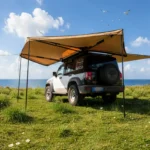

Picking the right tent makes camping easier and more enjoyable. Whether you sell outdoor gear or camp from your 4×4, knowing tent features like waterproofing and UV resistance is key. This guide covers rooftop tents, car awnings, and ground tents for different needs. Learn about materials, vehicle fit, and weather protection to choose wisely.
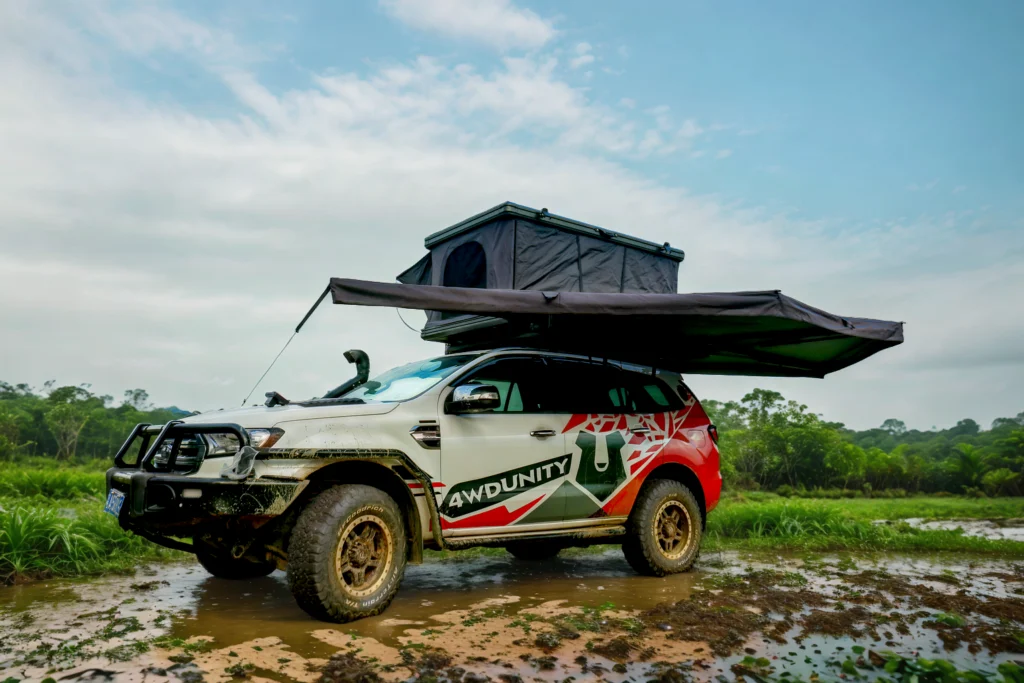
Types of Camping Tents
Camping tents come in styles for different uses:
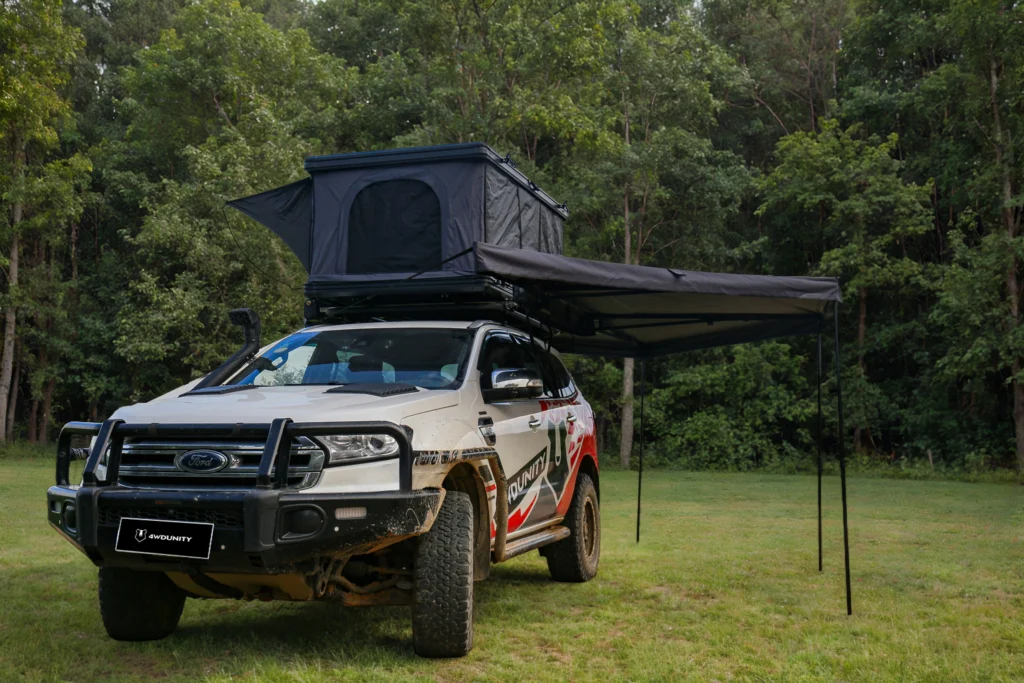
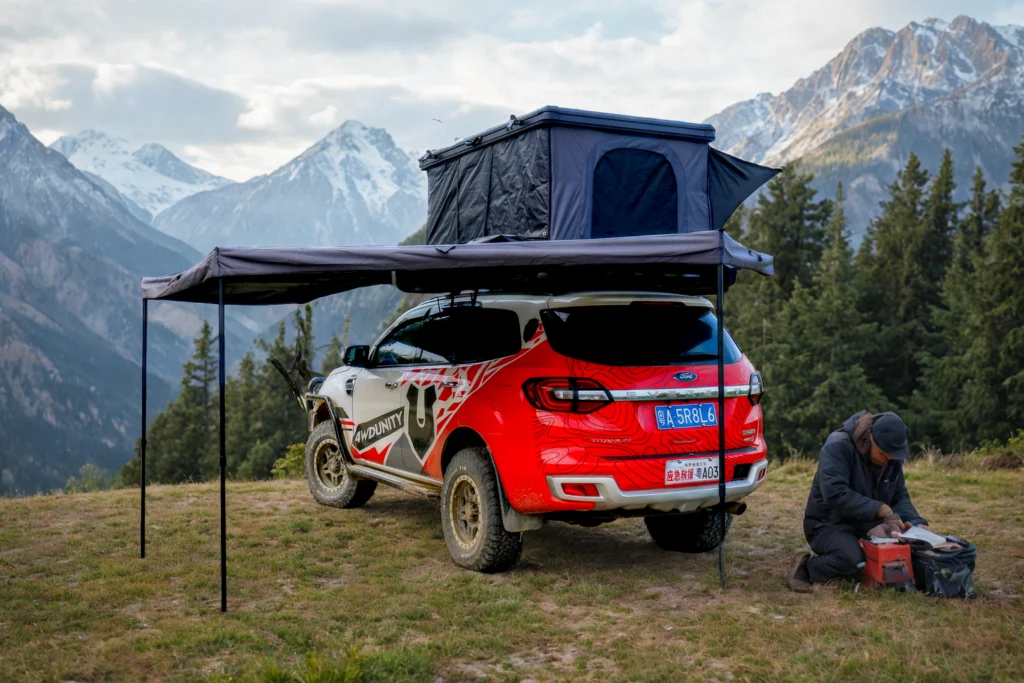
- Rooftop tents bolt onto car roofs. They set up fast and keep you off the ground, great for overlanding.
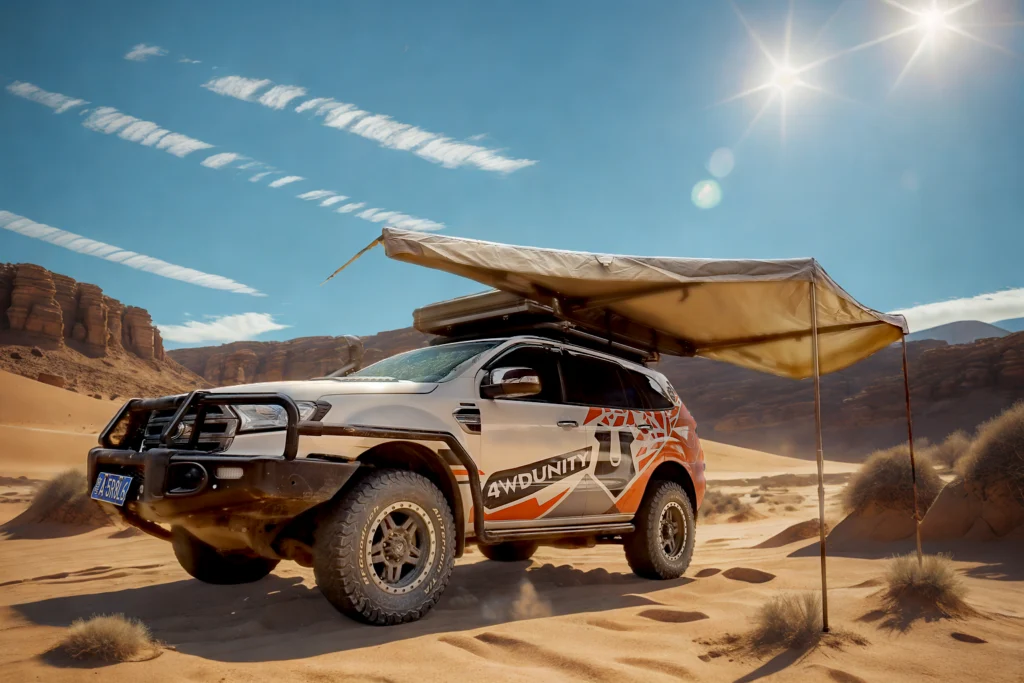
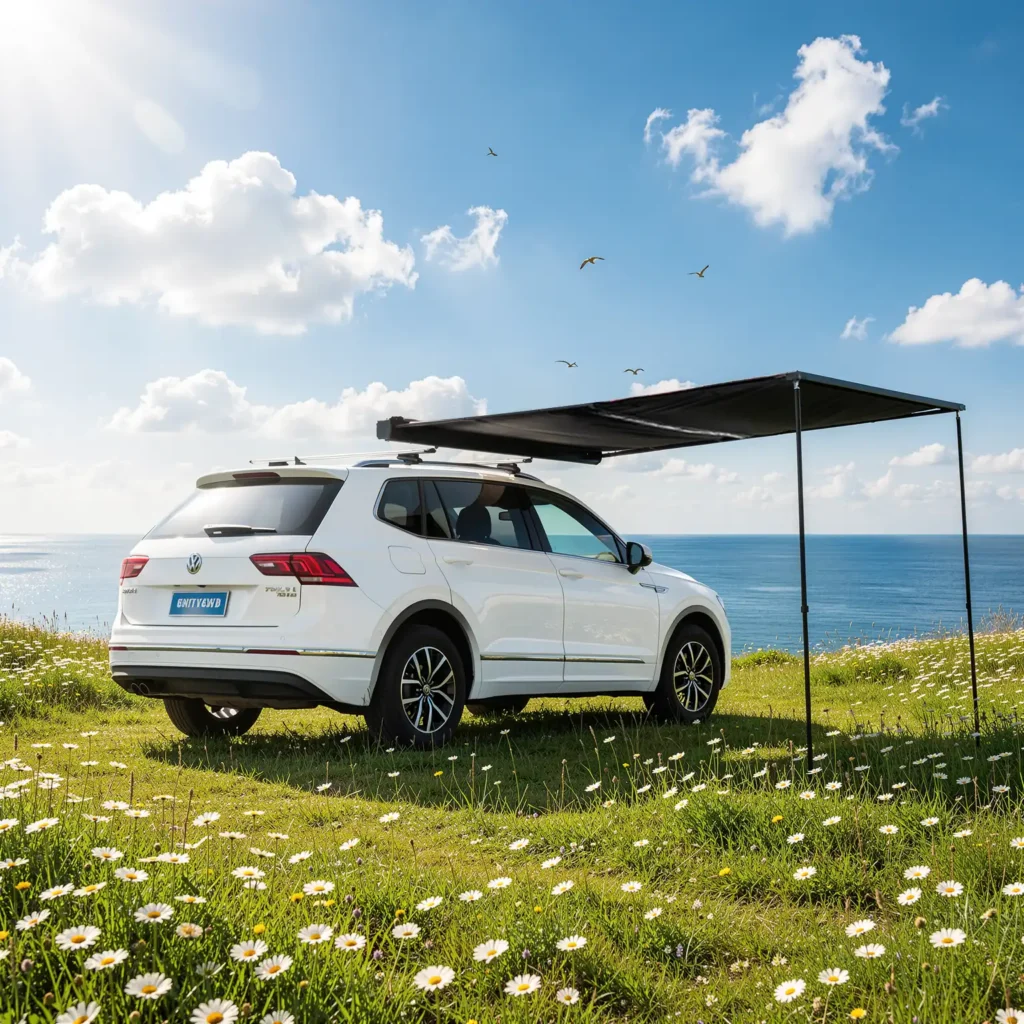
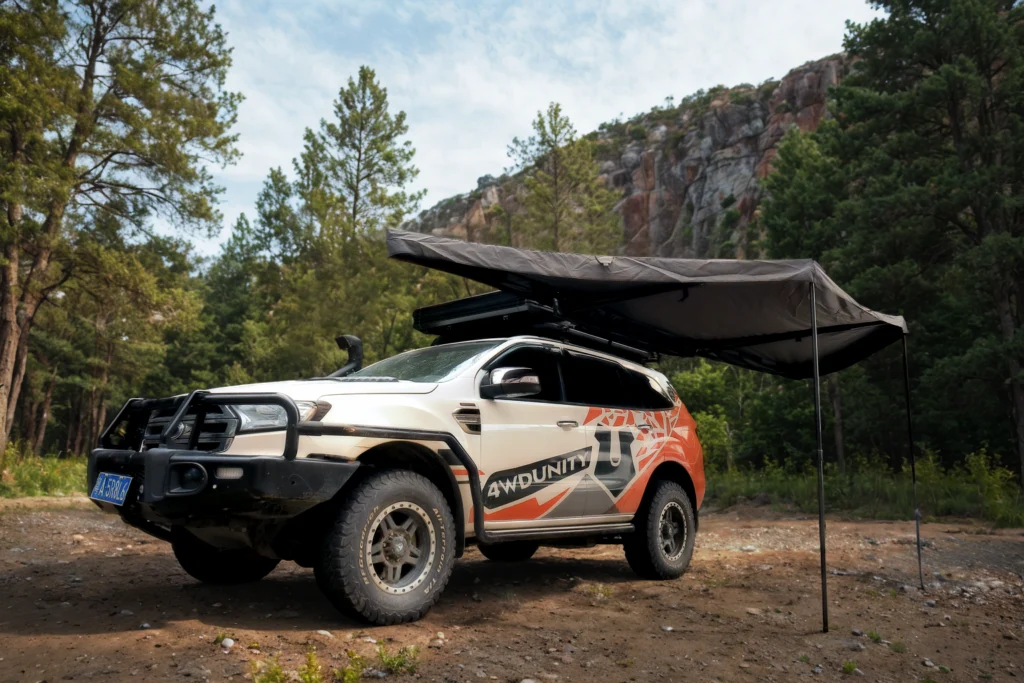
- Car awning tents attach to 4×4 vehicles. They give extra shaded space without unloading gear.
- Ground tents work anywhere but don’t move with your vehicle. They suit traditional camping.
- Pop-up tents unfold quickly but lack durability for rough weather.
- Cabin tents have tall walls for more room inside.
- Expedition tents handle storms with strong poles and thick fabrics.
Match the tent type to how you camp—frequent travelers need durable, easy setups.
Key Material Features
Tent materials affect performance:
- Waterproof ratings (3000mm or higher) block rain. Seam-sealed edges stop leaks.
- UV-resistant fabrics (polyester or canvas) last longer in sunlight.
- Breathable materials reduce condensation in humid air.
- Fire-retardant treatments add safety near fires.
- Mildew-resistant coatings help in damp storage.
Lightweight nylon suits backpacking. Heavy canvas is better for basecamps.
Vehicle Compatibility
4×4 and rooftop tents need specific fits:
- Roof load capacity must hold the tent’s weight (usually 100–165 lbs).
- Crossbar spacing affects mounting—check your car’s limits.
- Hard-shell rooftop tents are slimmer but take roof space. Soft-shells pack smaller.
- Awning attachments must match your vehicle’s rails.
- Quick-release mechanisms help set up fast during stops.
Measure your car before buying to avoid fit issues.
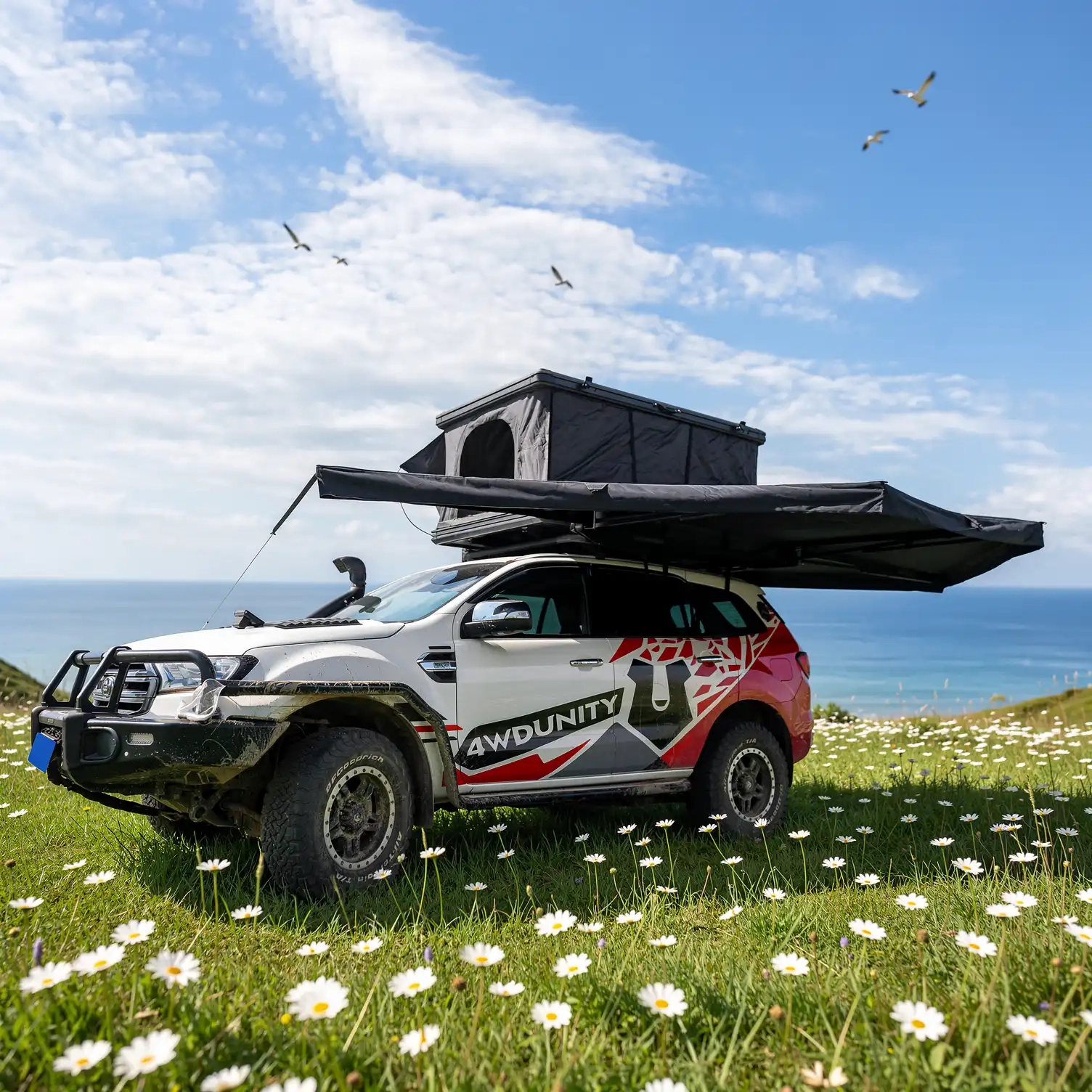
Climate and Seasonal Adaptability
Different tents work best in certain weather:
- Three-season tents handle spring to fall with good airflow and rain protection.
- Four-season tents withstand snow with strong frames and insulated fabrics.
- Mesh-heavy tents cool well but aren’t warm in cold nights.
- Double-walled tents reduce condensation when it’s chilly.
- Reflective coatings keep deserts cooler inside.
- Dome-shaped tents stand strong in wind.
Pick features that match where you camp most.
Space and Layout Optimization
Make the most of your tent’s design:
- Occupancy ratings (like 2-person) often feel tight—size up if storing gear.
- Vertical walls give more room than sloped sides.
- Annex rooms add covered space to awning tents.
- Internal pockets keep small items organized.
- Multiple doors help groups avoid waking each other.
- High ceilings (6+ feet) make rooftop tents easier to move in.
More space means better comfort on long trips.
Maintenance and Longevity
Take care of tents so they last:
- Clean with mild soap—harsh chemicals damage fabric.
- Dry fully before storing to prevent mold.
- Reseal seams yearly to keep them waterproof.
- Check poles often for cracks or bends.
- Use UV spray to protect from sun damage.
- Compare warranties—longer coverage means better quality.
A repair kit (patches, pole splints) fixes tears fast.
Making the Right Purchase Decision
Smart buying tips:
- Know your customers—overlanders need fast setups, families want space.
- Bulk orders should have universal fittings to simplify stock.
- Certifications (like EN ratings) prove quality.
- Demo models help shoppers see how tents work.
- Mid-range tents ($500–$1,200) often give the best features for the price.
- Good supplier support matters more than cheap prices if something breaks.
Focus on tents that suit your buyers’ real needs.
How to Choose the Right Tent for Camping
Camping tents come in many types. Each works best for different needs. Your choice depends on where you camp, your vehicle, and the weather.
Types of Camping Tents
- Roof Top Tents – These attach to car roofs. They set up fast and keep you off the ground. Best for 4×4 trips.
- Car Awning Tents – Fix to your vehicle’s side. They create shade and extra space without unpacking.
- Ground Tents – Traditional tents with poles and stakes. Good for campsites but slower to set up.
- Pop-Up Tents – Open quickly but may not be as sturdy in wind. Best for casual trips.
- Expedition Tents – Strong frames and thick fabric handle storms and snow. Made for tough weather.
Key Material Features
- Waterproof – Look for 3000mm+ waterproof rating. Seams should be sealed.
- UV-Resistant – Polyester or canvas stops sun damage.
- Breathable – Reduces condensation inside. Important for humid places.
- Fire-Retardant – Safer near campfires.
- Durable – Nylon is light; cotton blends last longer but weigh more.
Vehicle Compatibility
- Roof Load Limit – Most rooftop tents weigh 100–165 lbs. Check your car’s roof can hold it.
- Crossbar Spacing – Must match tent brand requirements.
- Hard-Shell vs. Soft-Shell – Hard-shells fold flat but cost more. Soft-shells take more roof space.
- Awning Rails – Must fit your car’s rail type (T-slot or T-track).
Climate and Seasonal Adaptability
- Three-Season Tents – Work spring to fall. Good airflow, not for snow.
- Four-Season Tents – Reinforced against wind and snow.
- Desert Camping – Reflective coatings keep tents cooler.
- Rainy Areas – Double-walled tents reduce condensation. Vestibules store wet gear.
Space and Layout
- Size Up – A “2-person” tent fits 2 people snugly. Add space if storing gear.
- High Ceilings – Over 6 feet tall lets you stand inside.
- Multiple Doors – Helpful in group tents to avoid waking others.
- Modular Add-Ons – Annex rooms expand space in awning tents.
Maintenance Tips
- Clean Gently – Use mild soap, not strong detergents.
- Dry Fully – Prevents mold before storing.
- Reseal Seams – Every year for waterproofing.
- Check Poles – Look for cracks or bends.
- UV Spray – Extends fabric life in sunny areas.
Buying Tips
- Think About Use – Overlanders want quick setup. Families need space.
- Check Warranty – Good brands offer 3+ years on fabric.
- Mid-Range Works – Tents priced $500–$1,200 often have the best features.
- Test Before Buying – If possible, see how easy it sets up.